
mounted makeup mirror with light
Understanding the 18% Globe Valve Function, Design, and Applications The 18% globe valve is a crucial component used in various industrial applications, specifically designed to regulate flow within a piping system. The term globe valve refers to its distinctive shape, resembling a globe with a movable disc—an essential feature that allows users to effectively control the flow of liquids, gases, or slurries. Among the various designs of valves, the globe valve stands out for its ability to provide precise control, making it a preferred choice in many engineering applications. Design and Structure The 18% globe valve incorporates a body typically comprising cast iron, stainless steel, or brass, depending on the specific application and environmental conditions. The 18% in its name often refers to the valve's port design, which achieves an 18% flow area percentage of the pipe's internal diameter. This design feature helps to ensure significant pressure drop while sustaining flow control, making it ideal for throttling applications. The fundamental structure of the valve includes several key components the body, bonnet, disc, seat, and stem. The body houses the fluid flow, while the bonnet serves as a cover for the internal components. The disc is the pivotal element that responds to the stem's movement, either opening or closing the flow path. The seat, where the disc rests when the valve is closed, forms a critical seal that prevents leakage. Functionality The primary function of the 18% globe valve is to regulate flow. Unlike gate valves, which are designed to either fully open or close, globe valves allow for partial closure, enabling them to perform effectively in throttling applications. When the disc is raised slightly off the seat, it creates a significant resistance against the flow, thus controlling the rate at which fluid passes through the valve. Although globe valves are efficient for flow control, they can result in a pressure drop due to their design, meaning that higher pressure is required to maintain flow. This attribute must be taken into account when designing a piping system, especially for high-pressure applications. 18 globe valve Applications The versatility of the 18% globe valve makes it suitable for a wide range of applications across multiple industries. In water treatment facilities, these valves are used to control flow rates depending on the treatment process. In power plants, globe valves serve similar purposes, often regulating steam and water flow to turbines and generators. Moreover, the oil and gas industry finds extensive uses for these valves in pipelines and refineries, where they help manage high-pressure fluids. In HVAC systems, globe valves can control the flow of water or refrigerants, enhancing the efficiency of heating and cooling processes. Advantages One of the significant advantages of the 18% globe valve is its ability to provide tight sealing capabilities. This feature minimizes the risk of leakage, which is crucial in applications involving hazardous liquids or gases. Additionally, the valve’s design allows for maintenance and replacement of internal components, such as the disc and seat, helping to extend the overall lifespan of the valve. Furthermore, the globe valve's ability to handle a wide range of pressures and temperatures makes it a reliable choice for many conditions. It's also worth noting that the design allows for easy installation in various orientations, providing flexibility in engineering design. Conclusion In summary, the 18% globe valve represents a critical component in fluid control systems, offering precise regulation of flow across several industries. Its robust design, functional versatility, and reliable performance make it indispensable in applications ranging from water treatment to oil and gas and HVAC systems. Although it is associated with some pressure loss, the advantages it brings to controlled flow far outweigh the drawbacks, making it a popular choice among engineers and facility operators alike. Understanding the features and functions of the 18% globe valve can aid in selecting the right valve for a specific application, ensuring optimal performance and safety in industrial environments.
about
mounted makeup mirror with light
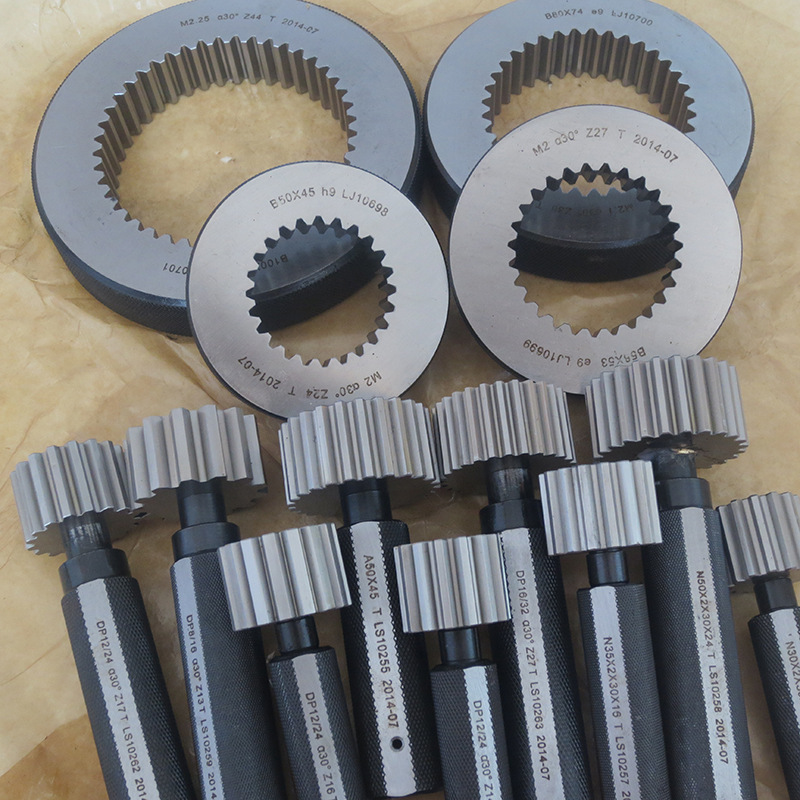
Exploring the Snap Gauge Micrometer A Precision Measurement Tool The world of precision engineering relies heavily on accurate measurements, and one of the unsung heroes in this domain is the snap gauge micrometer. This innovative tool combines the straightforwardness of a basic gauge with the precision of a micrometer, making it essential for various applications across manufacturing and quality control processes. At its core, a snap gauge micrometer is designed to measure the external dimensions of an object with remarkable accuracy. Unlike traditional calipers that can be prone to read errors, snap gauges have a fixed measuring point that allows for consistent and repeatable results. The snap gauge typically consists of two parallel measuring faces set a specific distance apart, which can be adjusted or fixed depending on the design. This feature ensures precision measurements within a defined tolerance range. One of the main advantages of snap gauge micrometers is their ease of use. Operators can take measurements quickly, making them ideal for high-volume production environments where efficiency is crucial . The design of a snap gauge allows it to 'snap' onto the workpiece, providing a clear indication of whether the item is within specified tolerances without the need for extensive calibration or setup. This can significantly reduce the likelihood of human error in measurement and improve overall productivity in a manufacturing workflow. snap gauge micrometer The material of the snap gauge micrometer also plays a vital role in its functionality. Typically crafted from high-quality steel or stainless steel, these tools are designed to resist wear, corrosion, and environmental factors that could impact their accuracy. Some models even come with a wear-resistant coating to enhance durability, ensuring that they can withstand the rigors of daily use in various industrial settings. Another noteworthy aspect of snap gauge micrometers is their versatility. They can be used for a wide range of applications, including measuring diameters, thicknesses, and even the depth of slots or grooves. This flexibility makes them an invaluable tool for engineers and quality control inspectors who constantly need to measure different components in their work. In addition to their practical applications, combining a snap gauge with digital readouts can further enhance their precision and ease of use. Digital snap gauges provide operators with immediate and clear measurement readings, minimizing the chance of misinterpretation and streamlining the inspection process. In summary, snap gauge micrometers represent a critical tool in the arsenal of precision measurement devices. Their combination of accuracy, simplicity, and versatility makes them ideal for a wide range of manufacturing applications. By employing snap gauge micrometers in quality control processes, organizations can ensure that they maintain high standards for product specifications, ultimately leading to better products and increased customer satisfaction. In the evolving landscape of manufacturing, embracing tools that enhance accuracy and efficiency, like the snap gauge micrometer, remains a key strategy for success.
-

High quality industrial productsagement

High quality industrial products
View Details -

Meet the diverse needs of customers

Meet the diverse needs of customers
View Details -

Strict quality control

Strict quality control
View Details -

Top raw materials

Top raw materials
View Details -

Trusted supplier

Trusted supplier
View Details
Our application

news and information
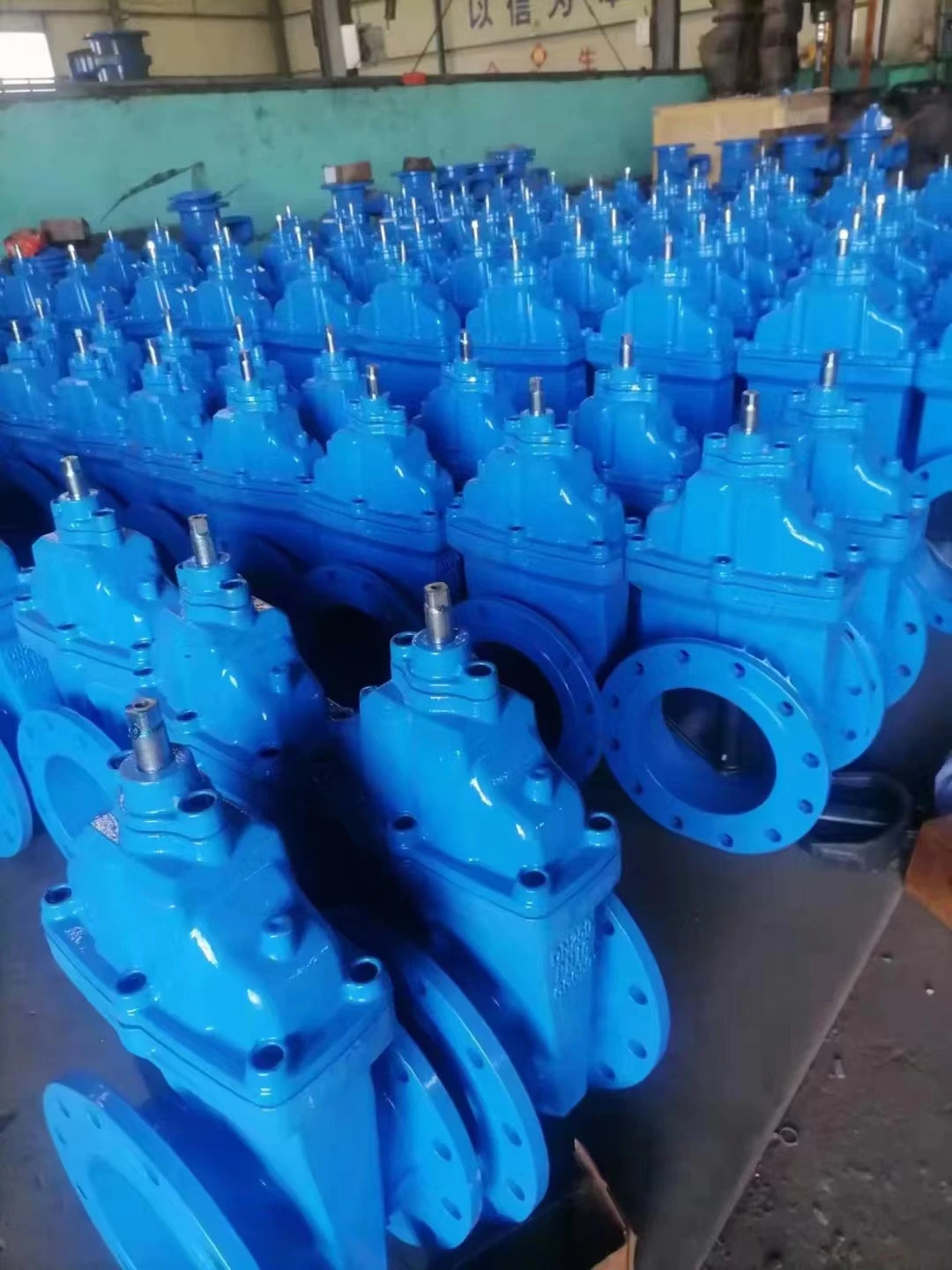
Wasserventil abgeschaltet
Wasserabsperrventil Notwendigkeit und Anwendung In der modernen Haustechnik spielt das Wasserabsperr
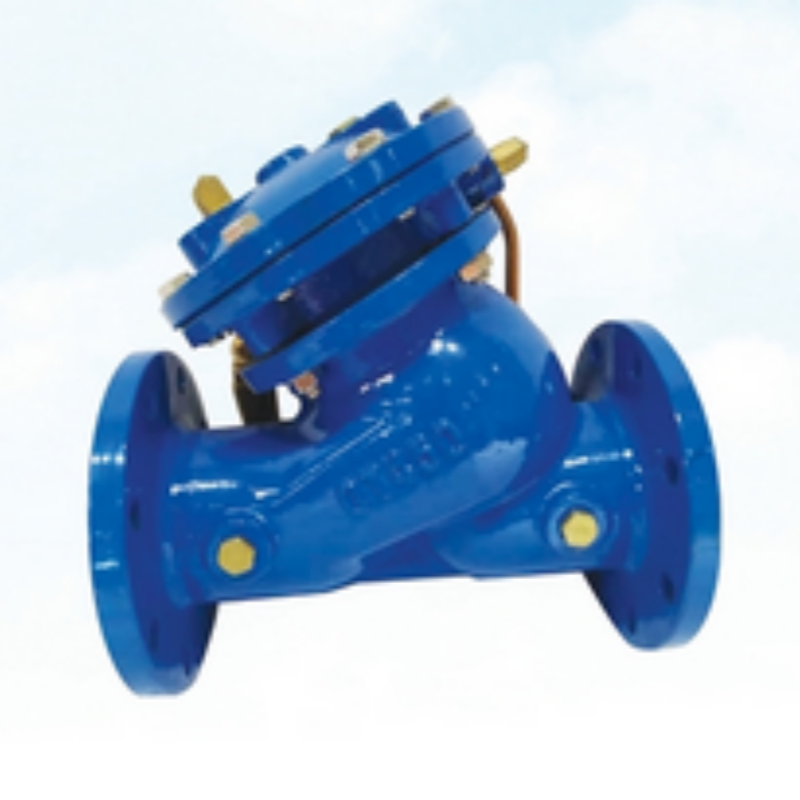
Y-type Strainer Valve Design and Applications in Fluid Management Systems
Understanding Y-Type Strainer Valves A Comprehensive Overview In various industrial and commercial a
Where to Find the Best Valve for Sale
Valves are the unsung heroes of industrial operations, playing a critical role in controlling the fl
 English